School Readiness in NZ – Preparing Your Child for Primary School
Starting primary school is an exciting milestone for children and their families. It marks the beginning of a new chapter filled with friendships, discoveries and opportunities to learn. While this transition can bring plenty of excitement, parents may also wonder whether their child is ready for the change and how they can help them feel confident about starting school.
School readiness in New Zealand is about more than knowing letters and numbers. It also involves developing social skills, emotional confidence, independence, communication and a positive attitude towards learning. These abilities develop gradually throughout early childhood, supported by everyday experiences at home and in an early learning environment.
At
Just Kidz, early childhood education provides opportunities for children to explore their interests, develop relationships and build skills that support their ongoing learning journey. Understanding what school readiness involves can help parents support their child as they prepare for their next big adventure.
What Is School Readiness?
School readiness refers to the range of skills and abilities that help children participate in a primary school environment. Every child develops at their own pace, so there is no single checklist that determines whether a child is ready to learn.
Instead, school readiness includes several interconnected areas of development:
- Social development: Learning to interact with others, share resources, take turns and build friendships.
- Emotional development: Beginning to recognise feelings, manage frustration and seek help when needed.
- Communication: Expressing needs, listening to instructions and participating in conversations.
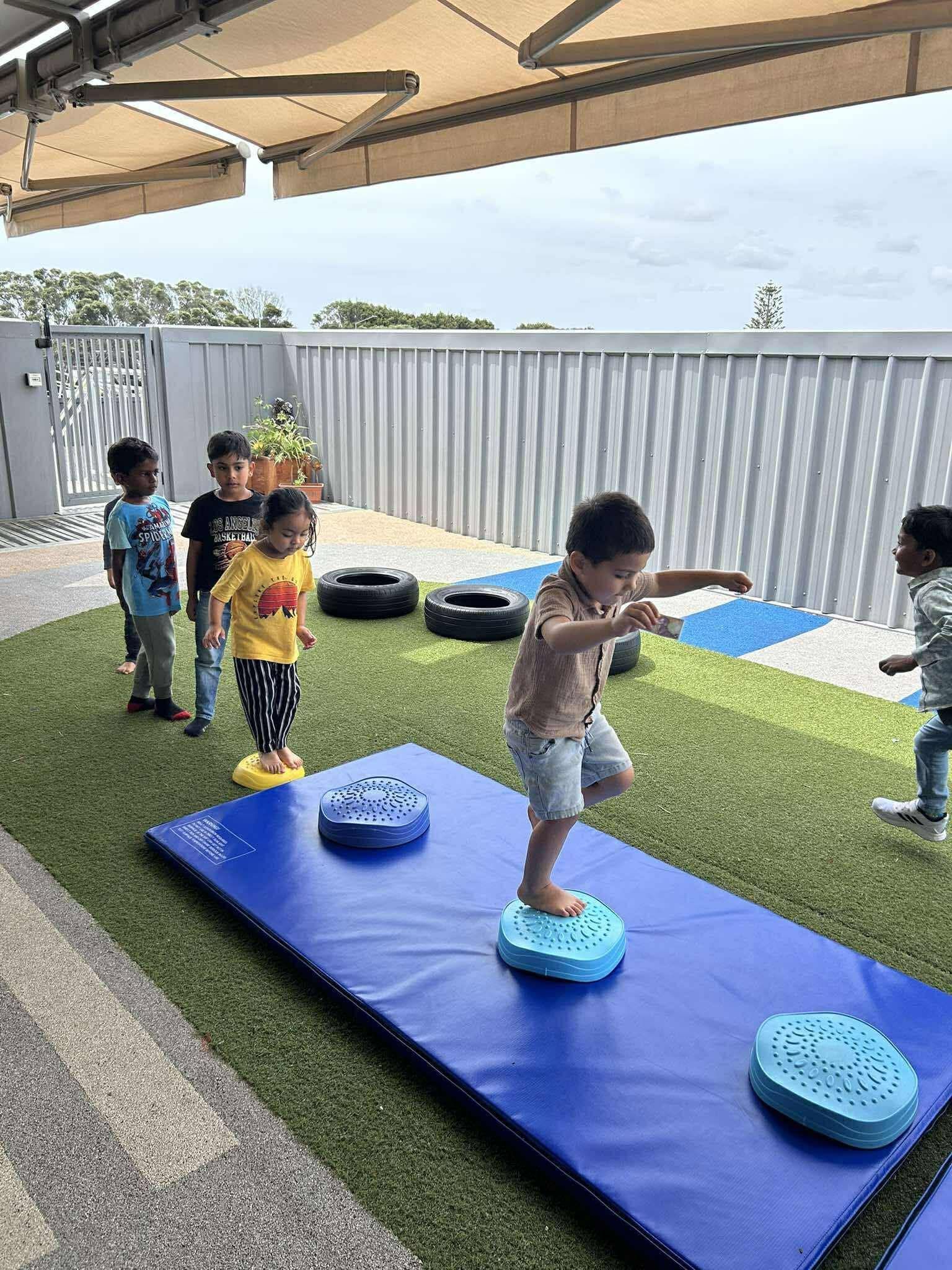
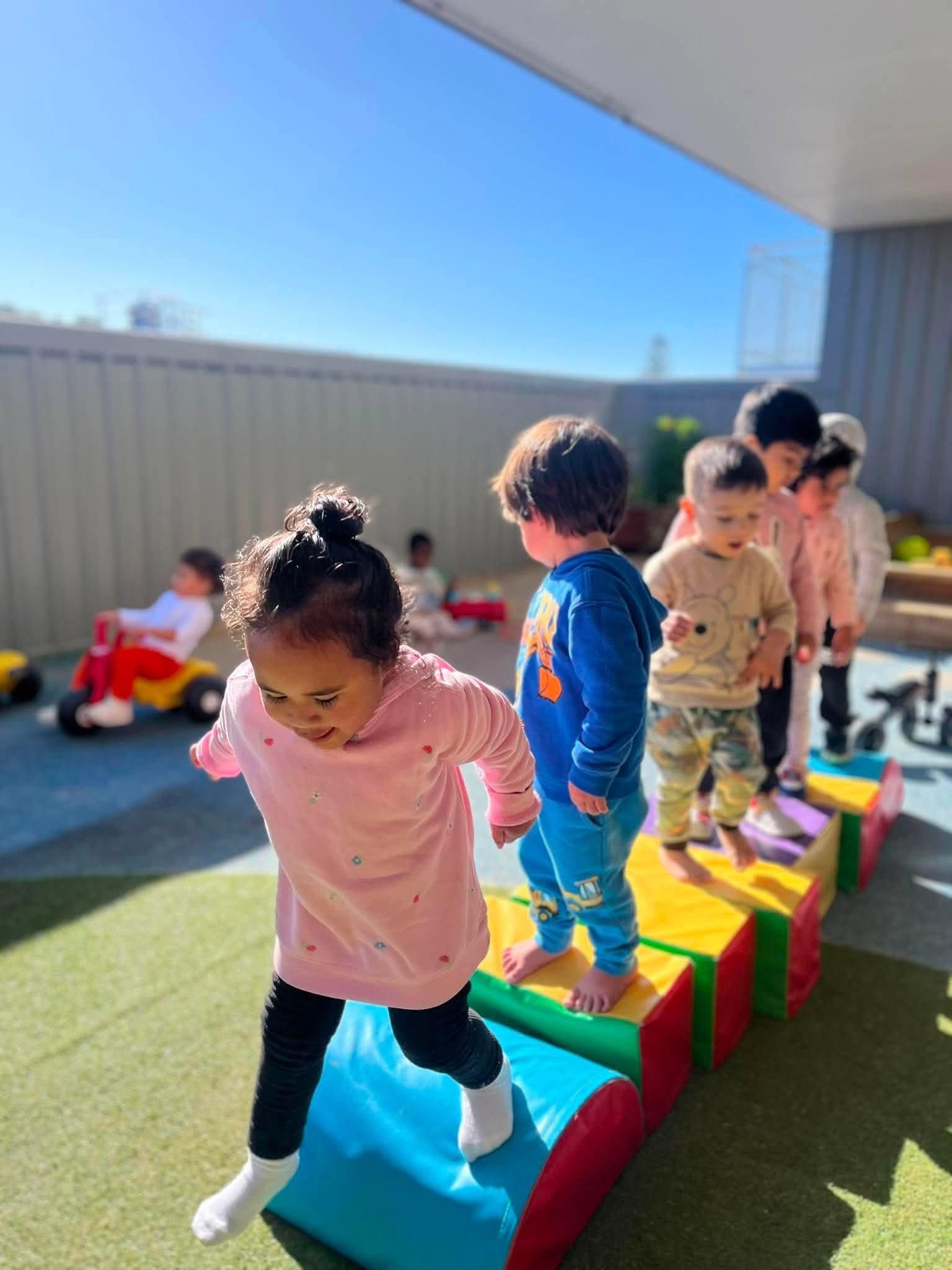
- Physical development: Developing coordination and practising tasks such as holding a pencil, using scissors and managing clothing.
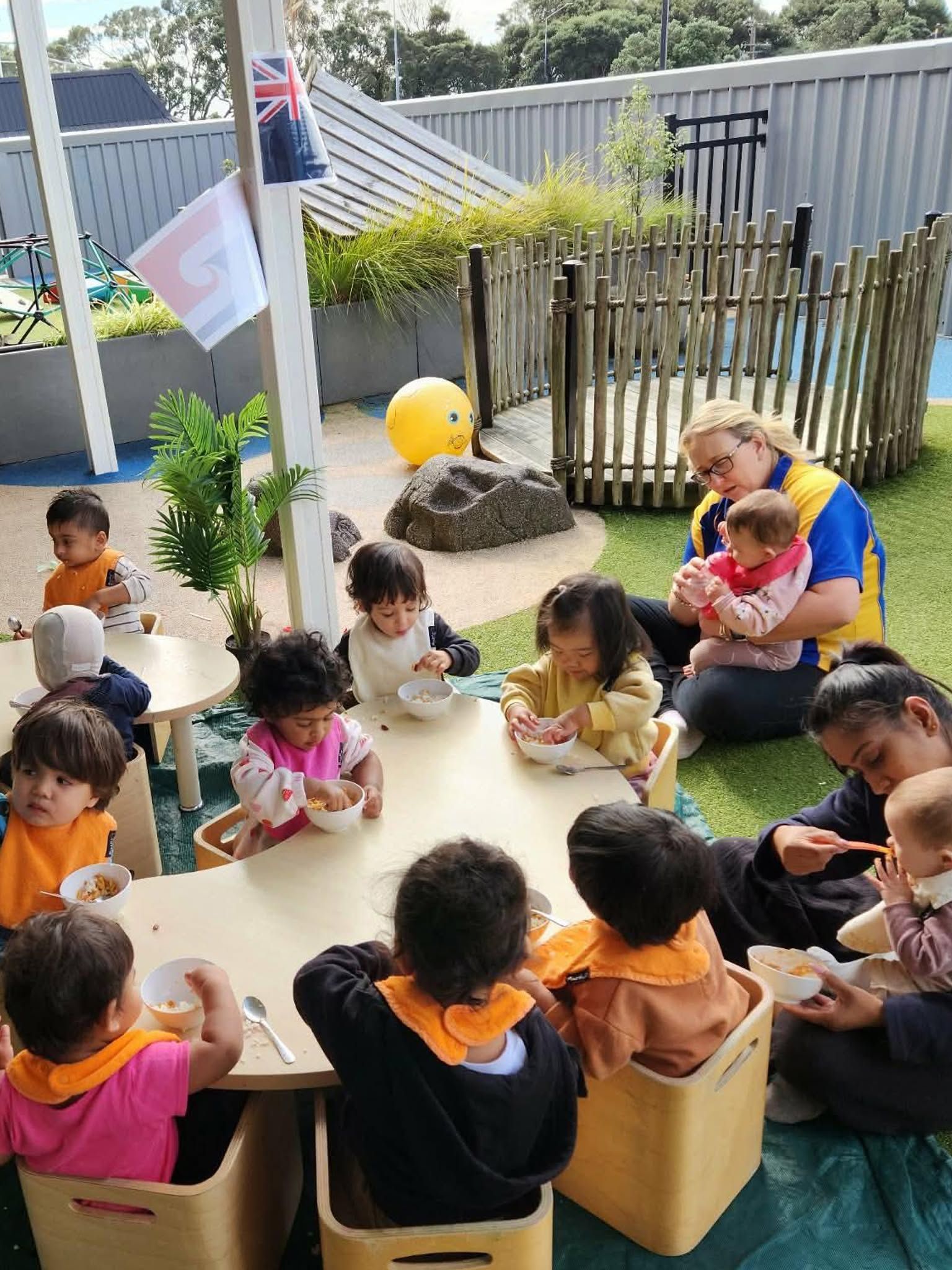
- Independence: Learning to wash hands, eat independently, pack belongings and manage simple personal tasks.
- Early learning skills: Exploring books, language, numbers, patterns, problem-solving and creative activities.
Children do not need to master every skill before starting school. These abilities continue developing throughout their early school years, and children benefit from having supportive adults who encourage learning at their own pace.
At What Age Do Children Start School in New Zealand?
In New Zealand, children can generally start primary school on or after their fifth birthday. School attendance becomes compulsory from age six, and parents should confirm enrolment arrangements and starting dates with their chosen school.
Some schools allow children to start individually after turning five, while others use a cohort-entry system in which new students begin on designated dates throughout the school year.
Planning ahead can make the transition easier. Contacting the school, asking about enrolment requirements and attending any available school visits can help your family understand what to expect.
It is also worth remembering that being eligible to start school and feeling emotionally ready for the transition are two different things. Children may need different levels of support as they adjust to a new environment, routine and group of people.
Essential Skills That Help Children Prepare for School
1. Building Social Skills and Friendships
Starting school often means spending time in larger groups, working alongside other children and learning to navigate new friendships. Social skills help children participate in these experiences and develop a sense of belonging.
Simple activities can encourage social development, including:
- Taking turns during games and group activities.
- Sharing toys and learning to negotiate with others.
- Practising how to ask to join a game.
- Learning to listen when someone else is speaking
- Exploring ways to resolve small disagreements with adult support.
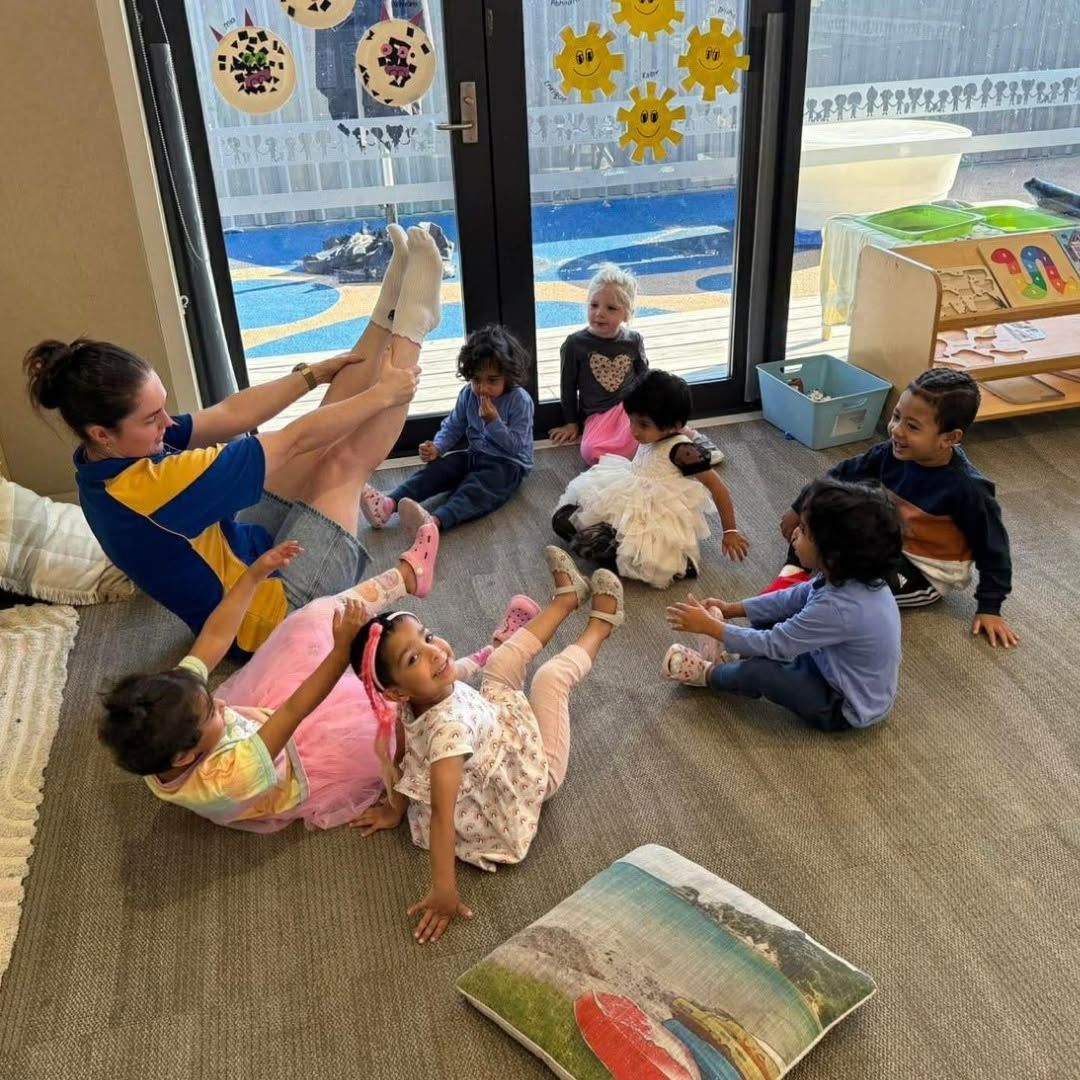
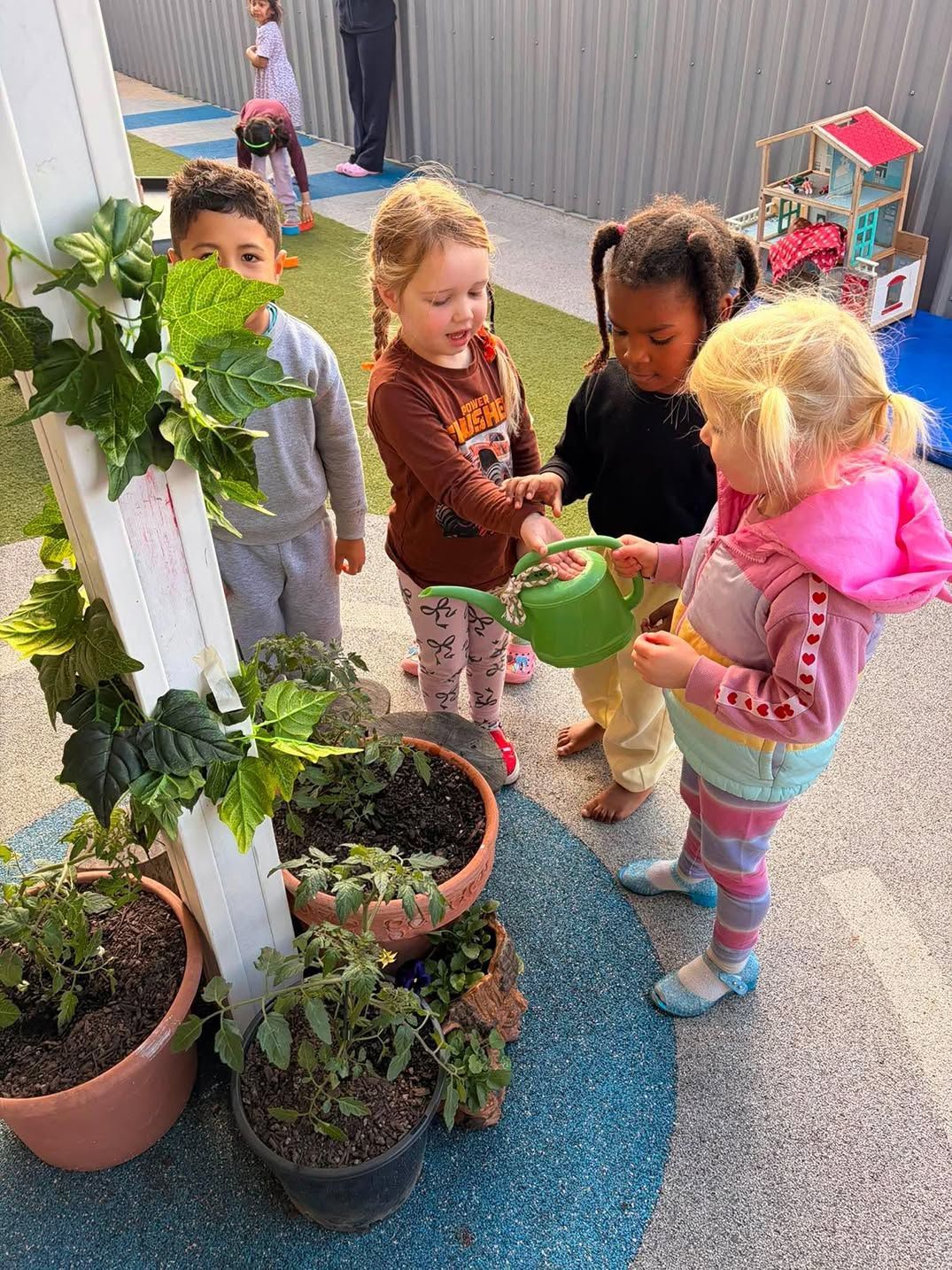
Early learning environments offer regular opportunities for children to practise these skills through collaborative play, group activities and everyday interactions with educators and peers.
2. Developing Emotional Confidence
Children experience a range of emotions when facing something new. They may feel excited one day and nervous the next, particularly when thinking about leaving familiar surroundings or meeting new people.
Parents can support emotional development by talking positively about school, acknowledging their child's feelings and encouraging them to express concerns. Reading books about starting school or discussing what a typical school day might look like can also make the experience feel more familiar.
It is helpful to practise simple strategies, such as taking a breath when feeling overwhelmed, asking an adult for assistance or using words to explain a problem.
The goal is not to prevent children from feeling nervous. Instead, it is to help them develop confidence in their ability to manage unfamiliar situations with support.
3. Encouraging Independence in Everyday Tasks
Primary school introduces new routines and opportunities for children to take greater responsibility for themselves. Developing independence before starting school can help children feel more comfortable navigating their day.
At home, encourage your child to practise tasks such as:
- Putting on and taking off shoes and clothing.
- Opening lunch containers and drink bottles.
- Washing and drying their hands.
- Packing away toys and personal belongings.
- Asking for help when they need it.
- Following simple instructions and routines.
Children will still need guidance, and that is completely normal. Allowing them time to try tasks independently, rather than stepping in immediately, helps build confidence and problem-solving skills.
4. Supporting Communication and Language Development
Communication is an important part of school readiness. Children use language to share ideas, ask questions, follow instructions, develop friendships and explain how they feel.
You can support language development through everyday conversations. Ask open-ended questions about your child's day, talk about things you notice together and encourage them to describe their experiences.
Reading together is another valuable activity. Discuss the characters in a story, ask what your child thinks might happen next and give them opportunities to retell parts of the story in their own words.
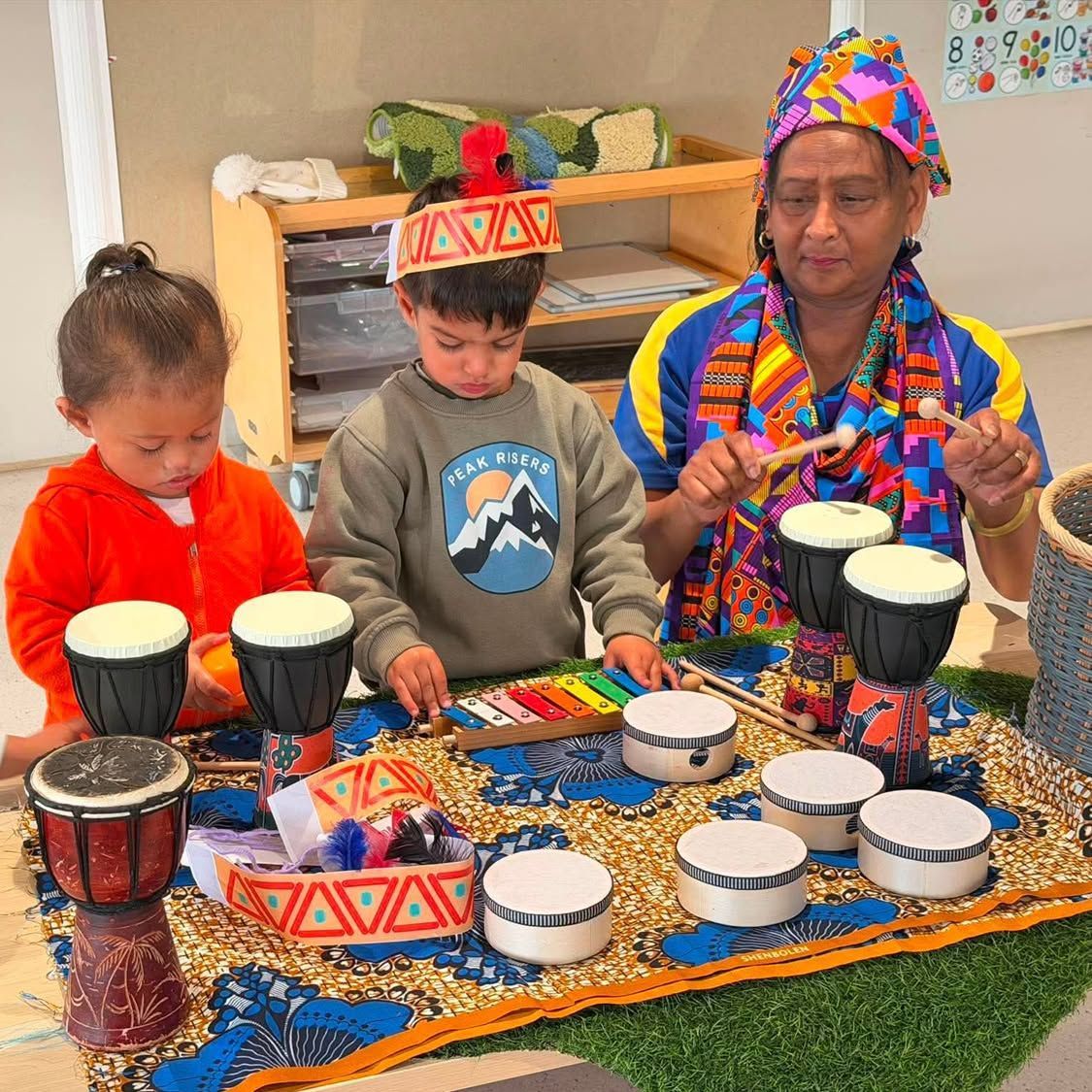
Singing songs, reciting rhymes, telling stories and playing imaginative games can also support listening, vocabulary and expressive language.
Children develop communication skills at different rates, so focus on encouraging participation and enjoyment rather than expecting particular academic outcomes before school.
5. Exploring Early Literacy and Numeracy Through Play
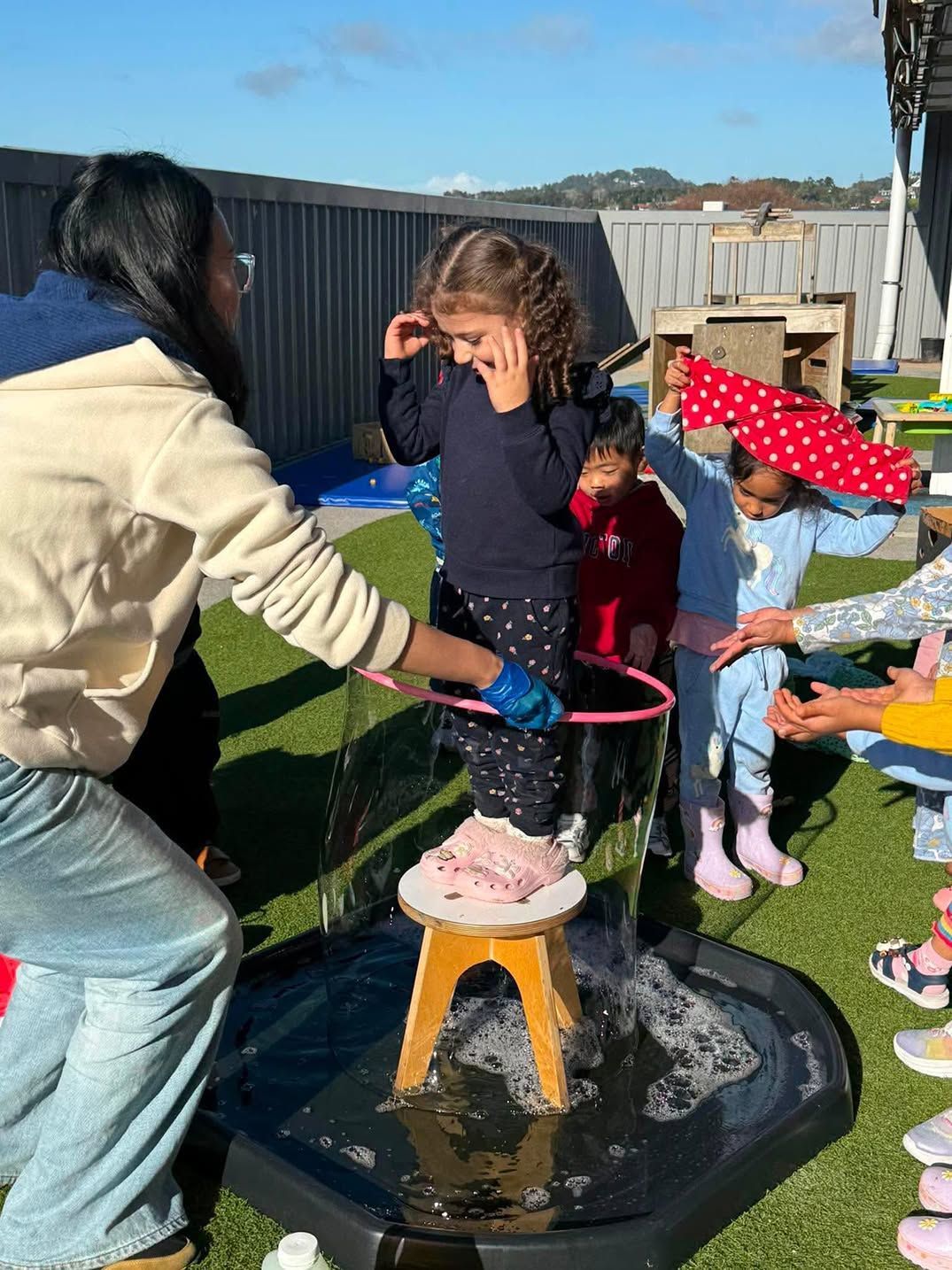
Preparing for school does not mean turning every activity into a lesson. Young children learn many foundational concepts through play, exploration and everyday experiences.
You can introduce early literacy and numeracy naturally by:
- Reading picture books and recognising familiar letters.
- Counting toys, steps or pieces of fruit.
- Sorting objects by colour, size or shape.
- Building with blocks and comparing different heights.
- Following patterns through music, movement or art.
- Drawing pictures and making up stories.
These activities encourage curiosity, observation and problem-solving while helping children develop a positive relationship with learning.
A strong foundation is not simply about how much a child knows before starting school. It is also about their willingness to explore, ask questions and try something unfamiliar.
How Early Childhood Education Supports School Readiness
A quality early learning environment can help children develop many of the skills they will use throughout their school years.
Through a balance of structured experiences and child-led play, children can build relationships, explore ideas, communicate with others, and develop independence. Educators can also observe children's interests and progress and provide experiences that support further learning.
New Zealand's Te Whāriki early childhood curriculum emphasises children's empowerment, holistic development, family and community, and relationships. These principles support learning across social, emotional, physical and cognitive areas.
At
Just Kidz, families can explore early childhood education options across Auckland and learn more about the experiences available at their preferred centre. Visiting a centre and talking with educators can help parents understand how the learning environment supports children's individual development.
A Practical School Readiness Checklist for Parents
Rather than treating school readiness as a pass-or-fail test, use the following checklist to identify everyday skills your child can continue practising.
School readiness checklist
1. Enjoys listening to stories, songs or conversations
2. Can communicate basic needs and ask for help
3. Has opportunities to play and interact with other children
4. Is beginning to take turns and share with support
5. Can follow simple instructions
6. Practises handwashing and other personal care routines
7. Is learning to manage belongings and everyday tasks
8. Has opportunities to explore drawing, counting and creative play
9. Has talked about school and what the day might involve
10. Has an opportunity to visit or become familiar with their new school
This is a practical guide, not a formal assessment. Children can continue developing these skills with support.
How Parents Can Make the Transition to School Easier
Small preparations in the months leading up to school can help children feel more comfortable about the change.
Establish predictable routines. Gradually practising morning, mealtime and bedtime routines can help children adjust to a more structured day.
Talk positively about school. Explain what children might experience, such as meeting a teacher, playing with classmates and exploring a new classroom.
Visit the school when possible. Orientation sessions and school visits can make an unfamiliar environment feel more recognisable.
Encourage questions. Give children opportunities to share what they are looking forward to and what they might be worried about.
Stay connected with educators. Early childhood educators and school staff can help families understand the transition and identify ways to support individual needs.
Most importantly, remember that children do not need to have everything figured out before their first day. Starting school is the beginning of another learning journey, not the point at which development should be complete.
Helping Your Child Take Their Next Learning Step
Every child's journey towards school is different. By encouraging independence, nurturing social and emotional development and making learning part of everyday life, parents can help children approach this milestone with greater confidence.
Early childhood education provides a valuable setting for children to develop these foundations through relationships, exploration and play. If you are exploring early learning options for your child, Just Kidz welcomes Auckland families to learn more about its centres and programmes.
Contact Just Kidz to find out more about early childhood education and how an engaging learning environment can support your child's development.